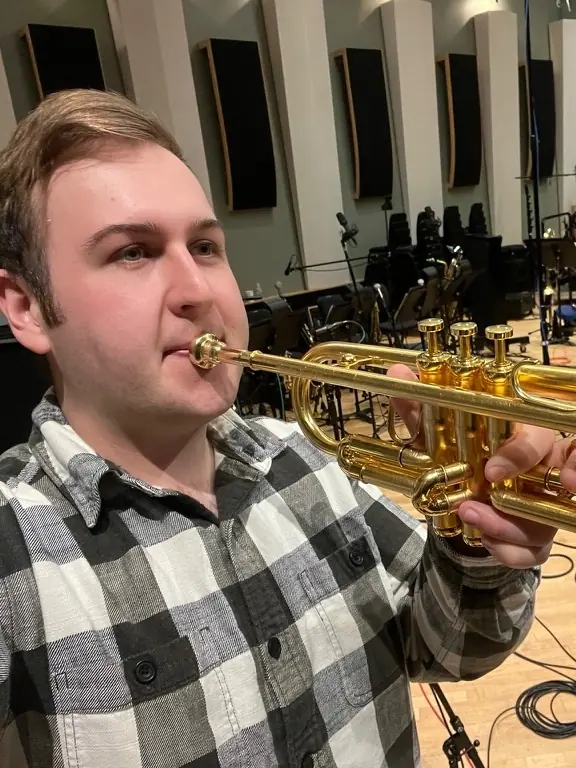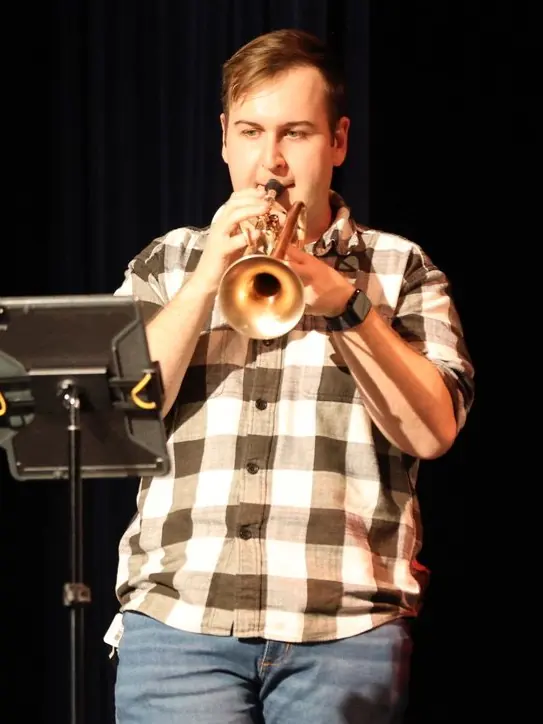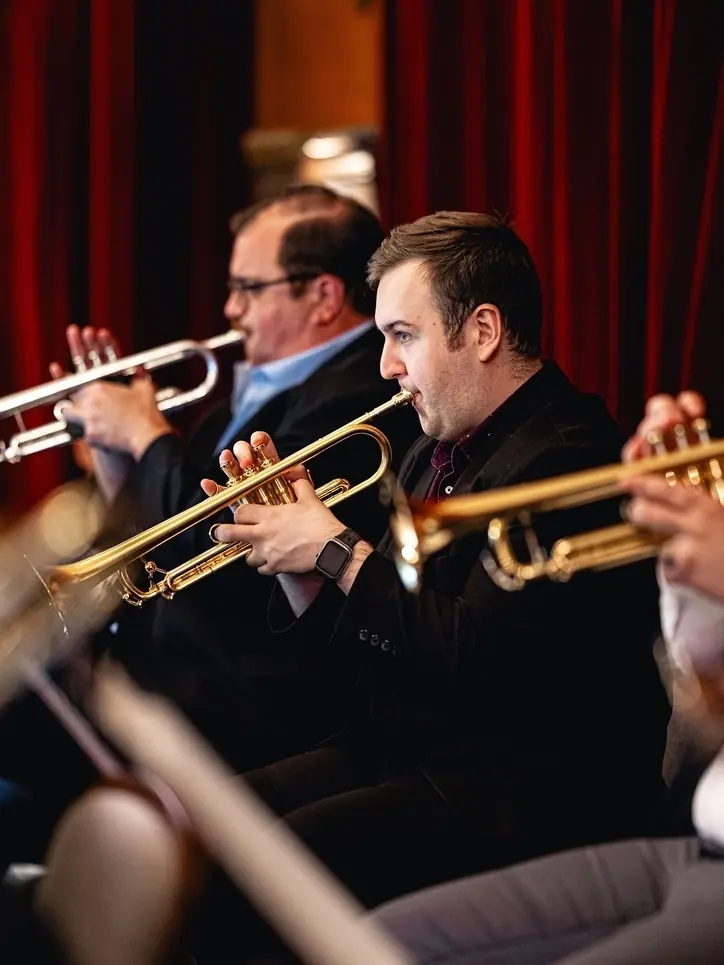

The One Change That Took Me From Splitting Every Note to Playing Professionally in Los Angeles
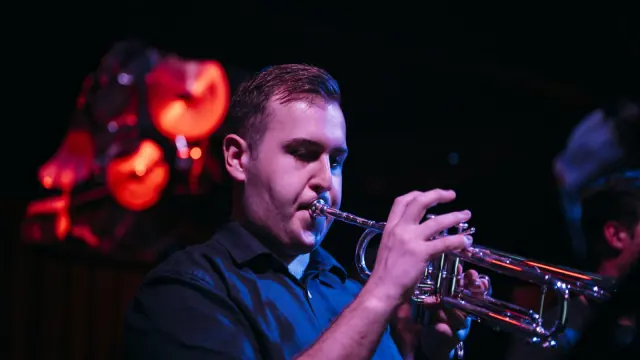
I was an average trumpet player.
I had to work really, really hard to get where I am today.
Growing up, I was told, "Use more air and that'll equal high notes." And, "Harrisson, you need to practice 6 hours a day to be any good."
So I did.
And I injured myself so bad.
I lost my range. My tone suffered. I couldn't play one line without splitting notes. It hurt to put the horn on my face.
I had to take a month off the trumpet, right before I went to university to study with one of my biggest idols, James Morrison.
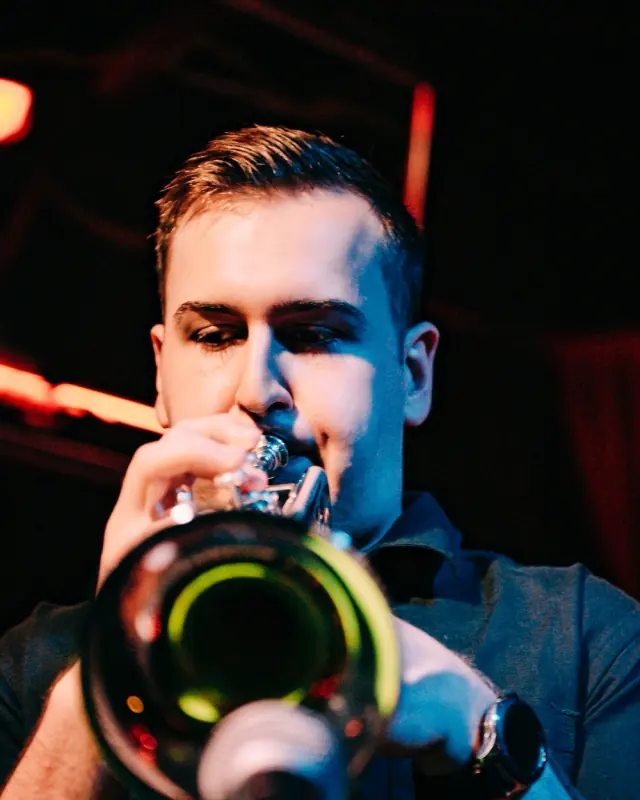
I permanently altered the shape of my lips. My teeth were in constant flux. And I was scared.
The old me was gone. I had to rebuild from the ground up.
It kept me up at night. I always told myself, if you can't practice into it, you can't practice out of it. There had to be a secret I'd missed along the way.
So I looked up to the greats. Bobby Shew. Doc Severinsen. Wynton Marsalis.
I got told, "Lift your bell up. You don't play clarinet. The audience isn't on the floor."
One teacher had me put the mouthpiece very low with the horn angle up high. My range dropped an octave.
I made temporary improvements. Then I hit a plateau. I couldn't get any better, no matter what I tried.
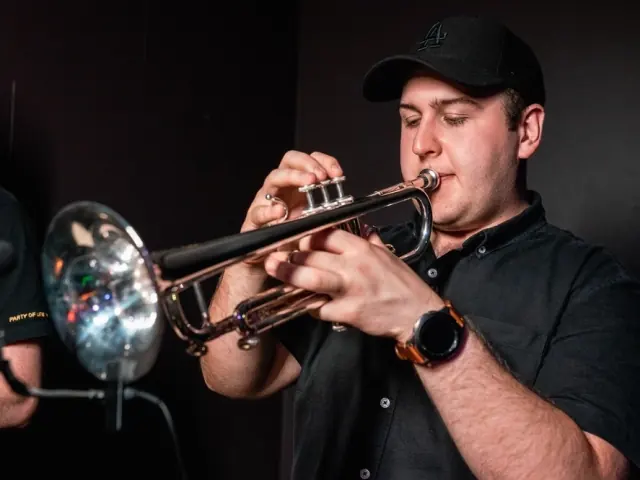
One eternity later, I was doing a huge gig with a trumpet player I looked up to immensely. After my solo, he turned around and told me exactly what he thought of my sound.
I struggled with my confidence. I lost my drive to practice.
And everyone kept telling me the same thing. "Harrisson, stop thinking about this. Think about sound."
Now, here's the thing. That gig actually helped me. I had a light bulb moment.
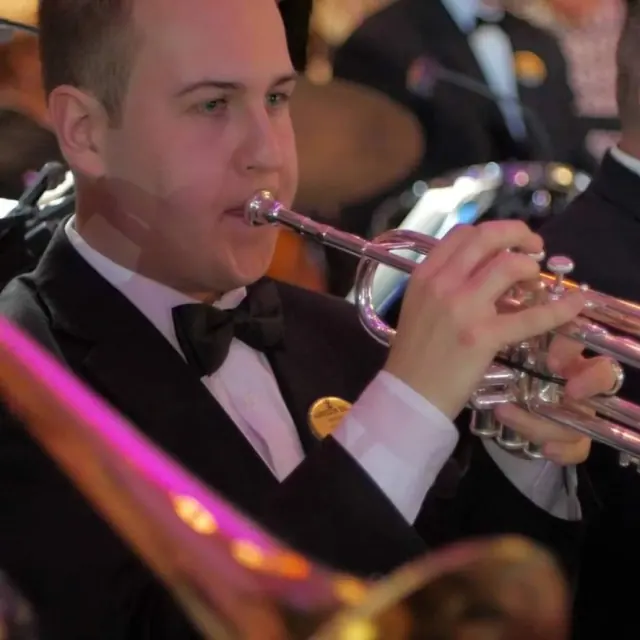
I looked at every trumpet player I'd ever studied with and looked up to.
So I started asking, what sets them apart from me?
Was it the gear? No. Was it the horn angle? Not really.
Was it the heavy valve caps, the added weights, the mouthpiece boosters that claim to improve your sound and actually dampen it? Wasn't that stuff either.
It was the direction of the air. Up or downstream.
Then someone finally handed me Encyclopedia of the Pivot System by Donald Reinhardt. It confused the absolute hell out of me. It also changed my life forever.
It was about going with your body, not against it.
Now, think about that for a second. I have a crossbite, a smaller jaw and a lisp, and I'm an Australian who speaks English. I was never going to fit into somebody else's categories.
Neither are you. We've all got different skull shapes, teeth, tongues, muscles and lip sizes.
Playing the trumpet on somebody else's setup is like driving your car in sports mode all day, right? You still get there. You just burn way more fuel, and you run out halfway up the mountain.
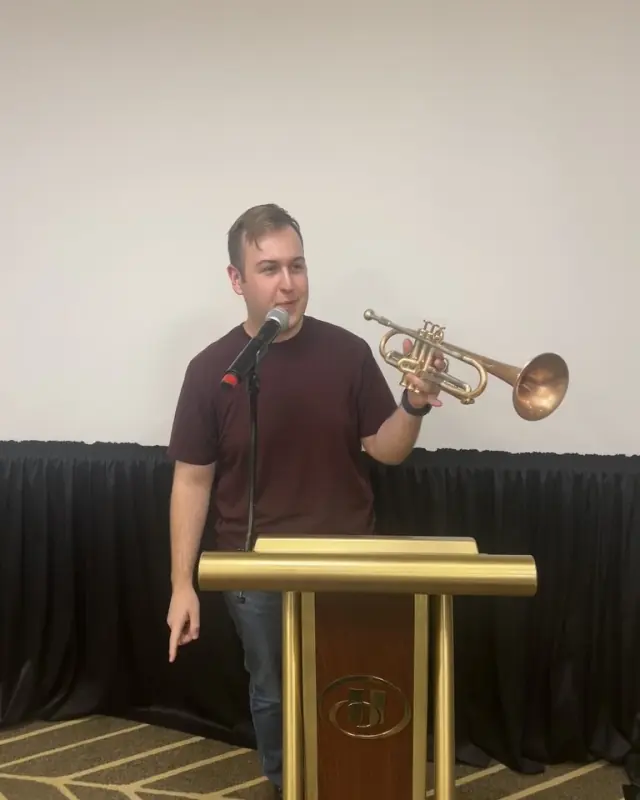
When I started sharing this with other trumpet players, they said things like, "This is crazy. Where did you learn this? I can feel an instant change."
More and more people asked me, "Harrisson, how do I play the trumpet easier, with a bigger sound, and not hurt myself in the process?"
But there was a problem.
Upstream players and downstream players play completely differently. They can learn music from each other. They can't teach each other how to play the trumpet.
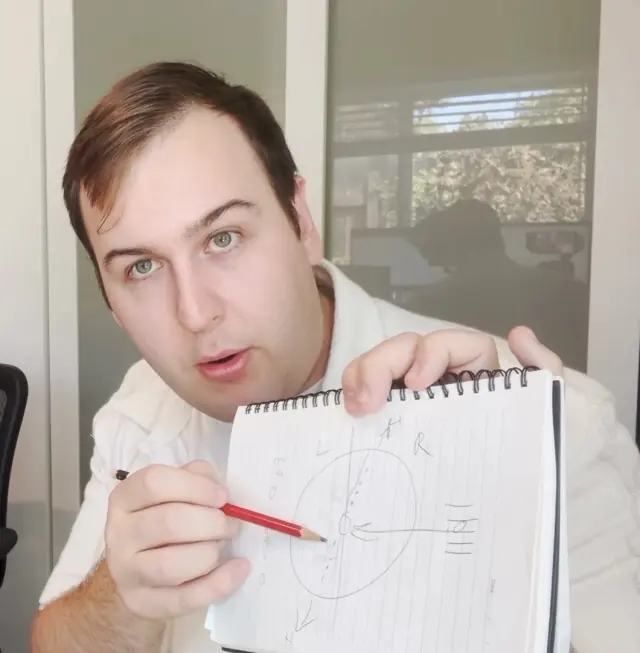
So I built the Vertical Alignment System.
It doesn't tell you to blow harder. It doesn't tell you to buy certain gear. It takes into consideration your jaw structure, your muscular structure and your teeth.
It worked for me. G above double C. Double F sharp at the end of the gig. Not the beginning. The end.
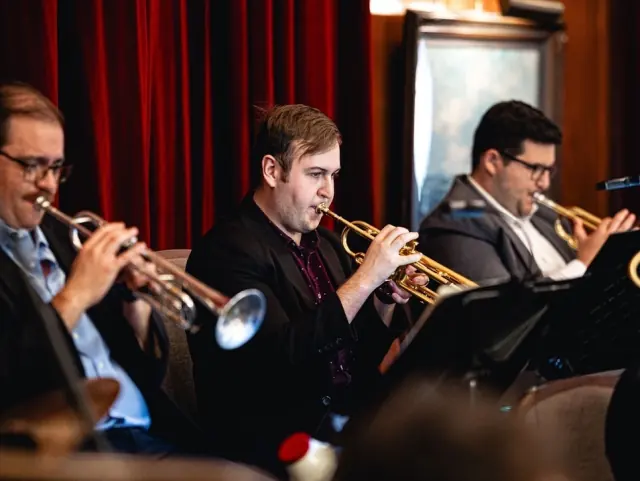
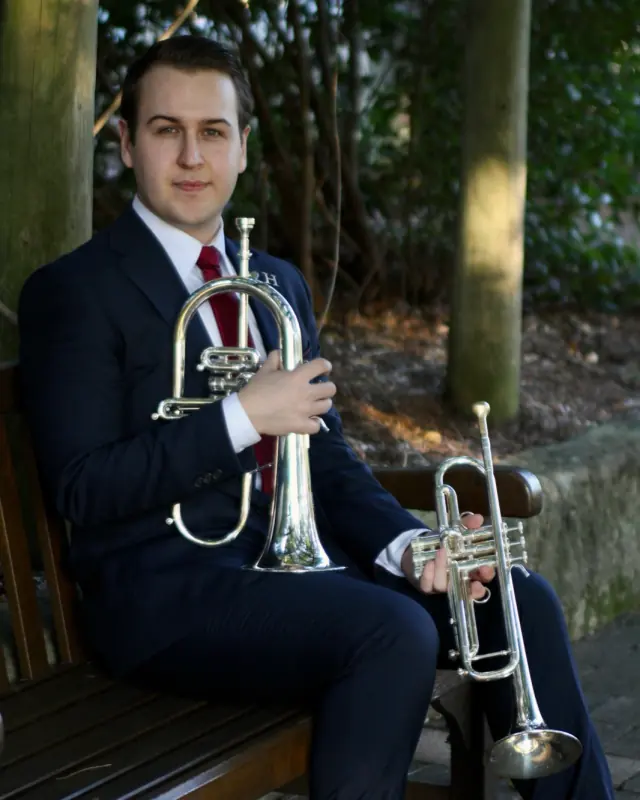
I went on to study with James Morrison for two years at his university in South Australia, then finished my Bachelor of Music in jazz performance at the Sydney Conservatorium of Music.
I played lead trumpet in the Australian National Youth Jazz Orchestra. I played the Sydney Opera House on numerous occasions. I played on Moulin Rouge! The Musical in Sydney.
Then I moved from Australia to Los Angeles, where I play professionally today.
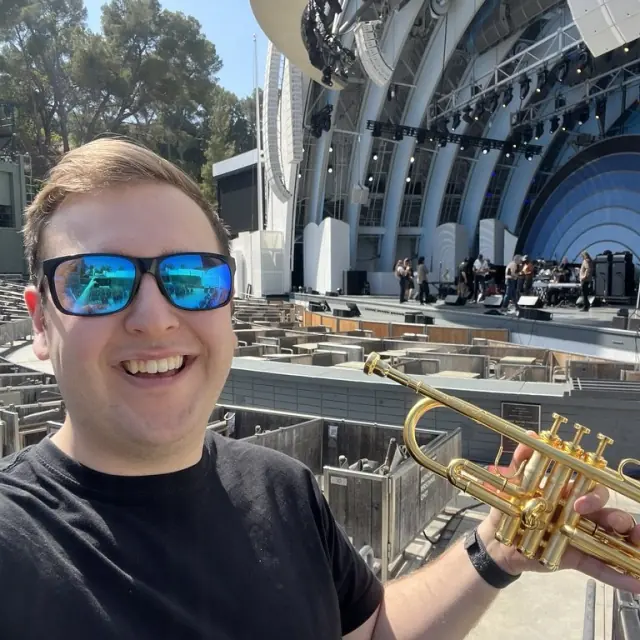
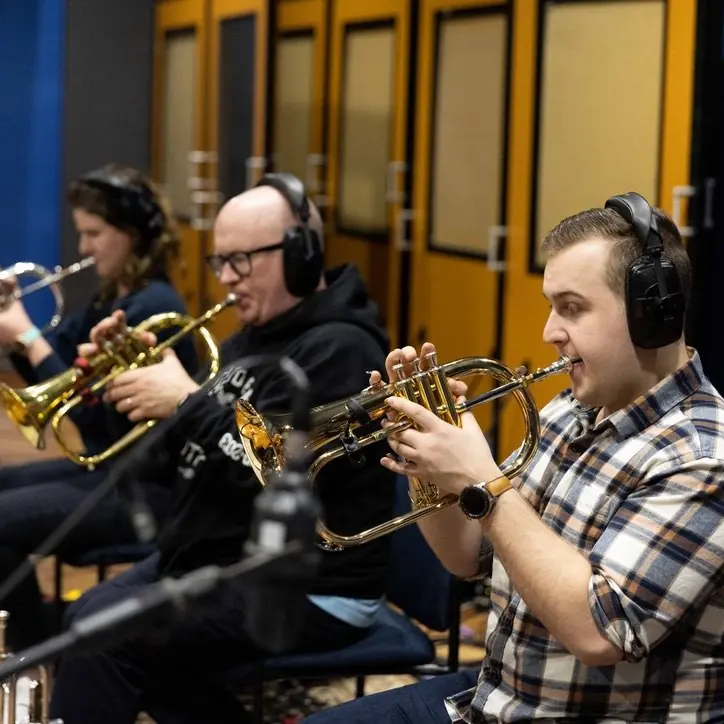
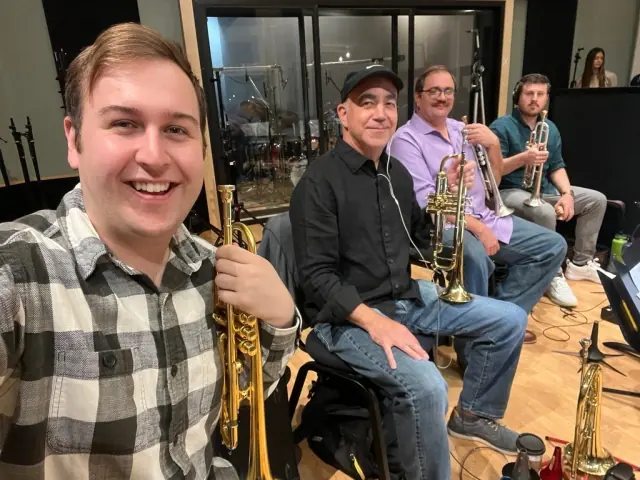
Coming from Australia, I didn't grow up surrounded by this scene. So this year, when I was featured as an artist on the International Trumpet Guild Podcast alongside names like Ashley Hall, David Hickman, Thomas Hooten and Sergei Nakariakov, that's something I didn't take lightly.
But one thing kept bugging me.
I once spent $500 on a 2-hour lesson with a principal trumpet from a famous American symphony orchestra. At the end of the lesson he said, "Go and buy the H.L. Clarke book and practice it until it falls apart, and then come back."
That's not a diagnosis. That's paying someone to watch you practice.
By the time I'd figured all this out, I'd gone to university twice and moved countries.
So I sat back and asked myself, what am I actually doing?
And I decided to put everything I'd learned in one place.
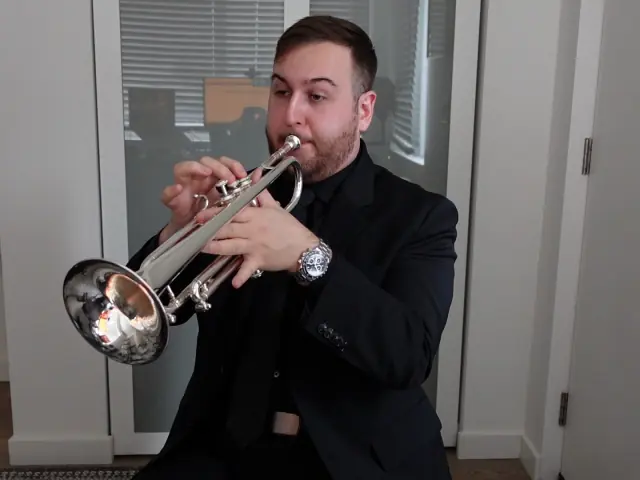
A diagnosis of how YOU play. A routine I write for your face and record so you can play along with me. And me in your corner, so you're never guessing again.
Because guesses make messes.
It's called Precision Brass.
The new, upgraded system
Faster Results, Built Into Every Step
- Always know exactly what to practice next.A step-by-step roadmap. Start Here, then every lesson in order.
- Practice with me, not on your own.Every routine is a play‑along. I walk you through it, then you play the whole routine with me, sheet music on screen, at a slower and a faster speed.
- Practice fits your day, and your chops stay fresh.Shorter routines, under half an hour, and you rest as much as you play.
- Start every routine set up the right way.Re-recorded lessons with a deeper foundation and a clearer, more consistent start to every routine.
- Catch mistakes before they become habits.Homework is built into the lessons. You post it, I check your placement and breathing, and we fix it early.
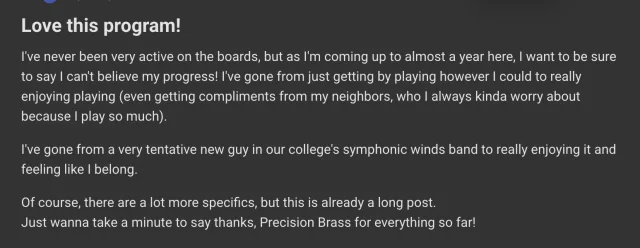
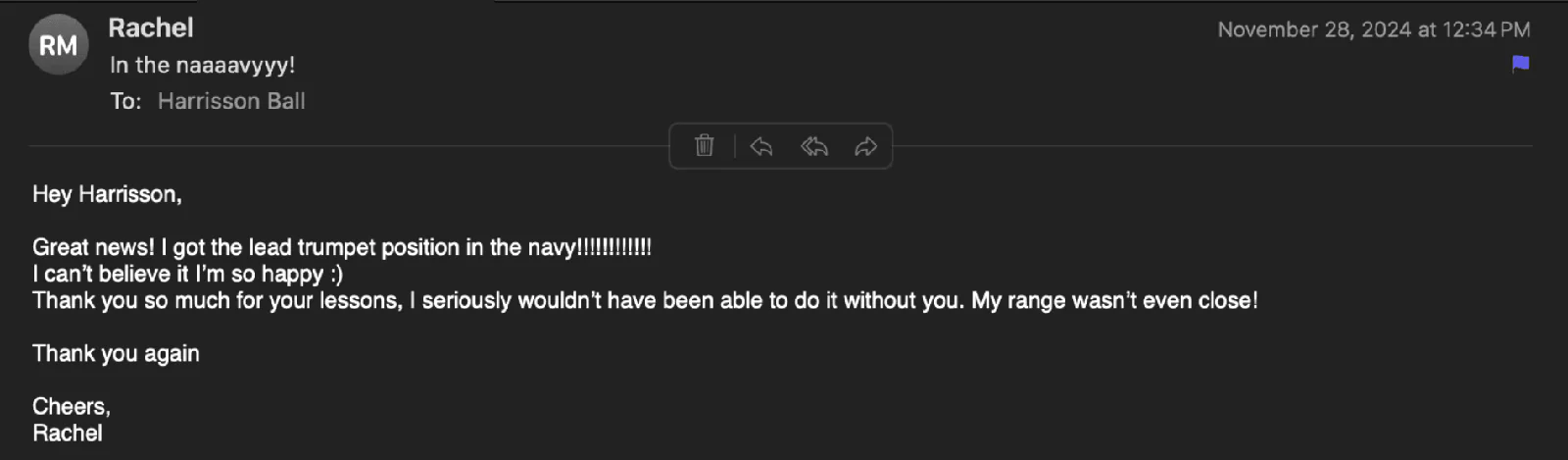
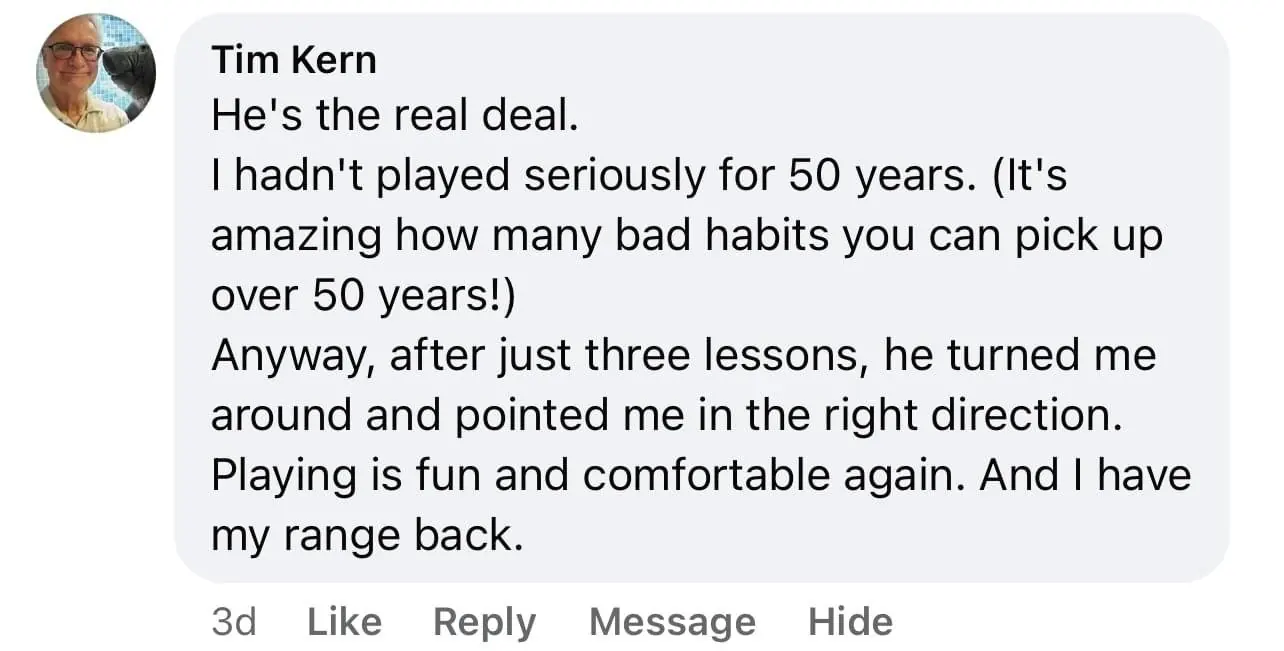
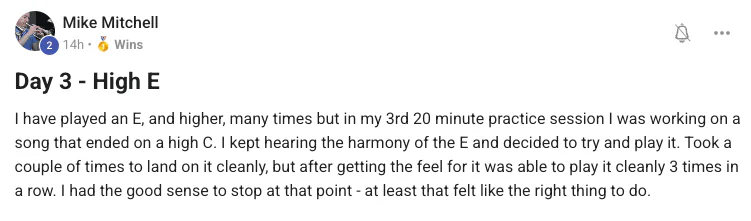
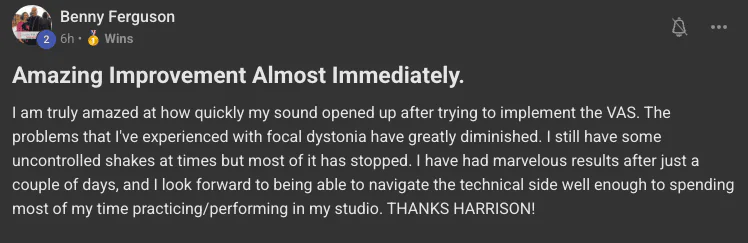
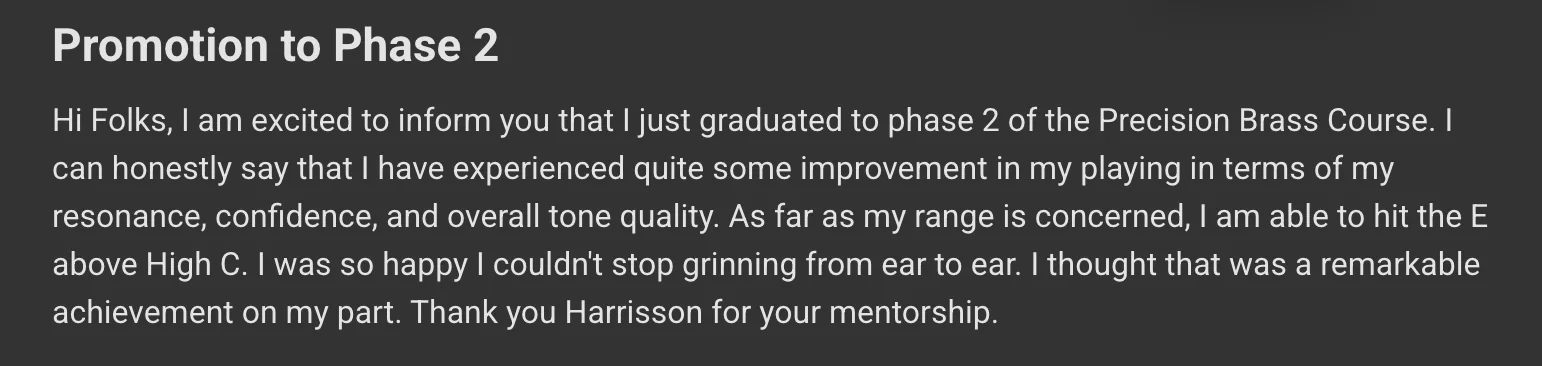
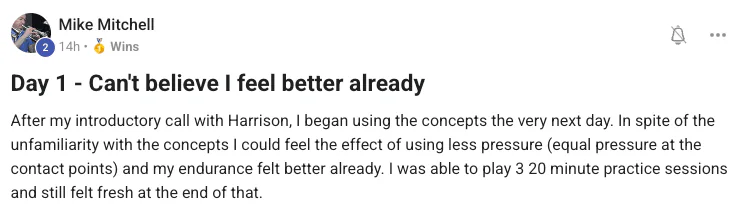
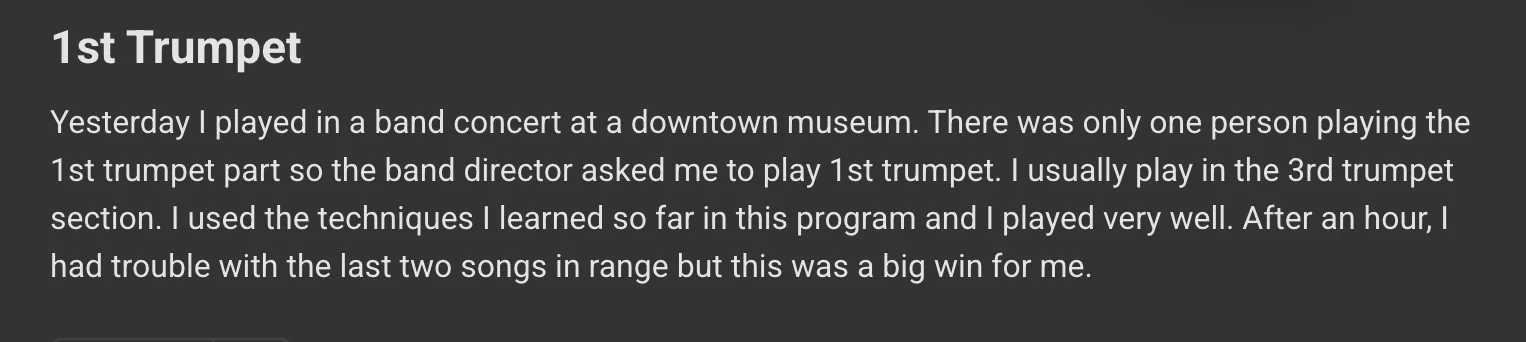
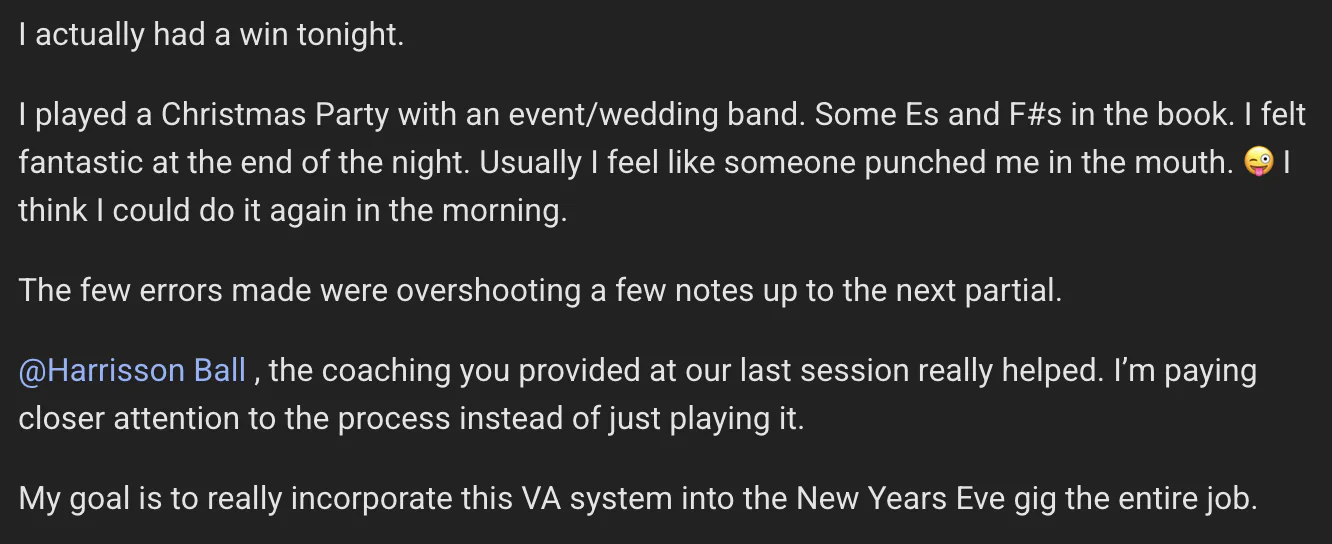
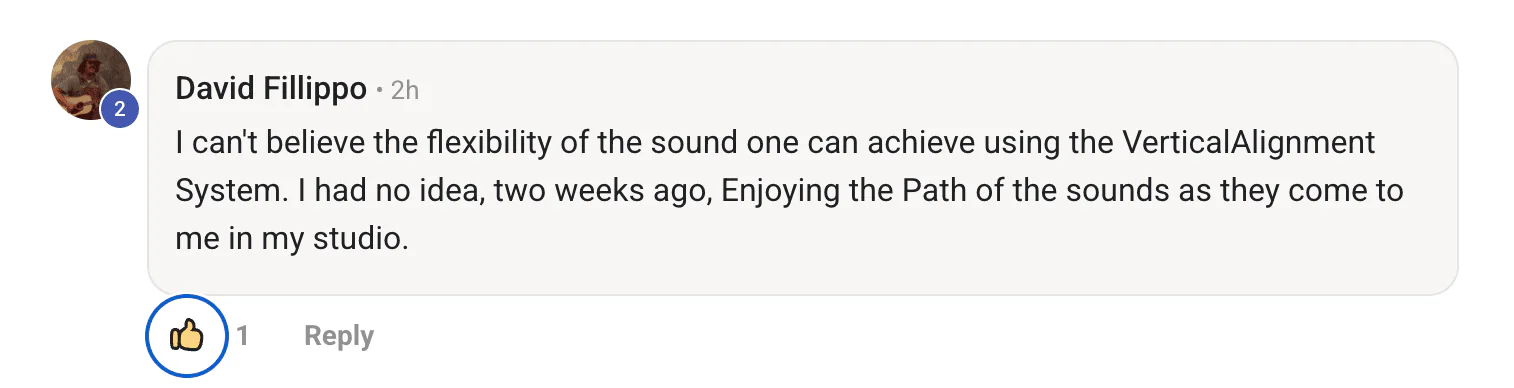
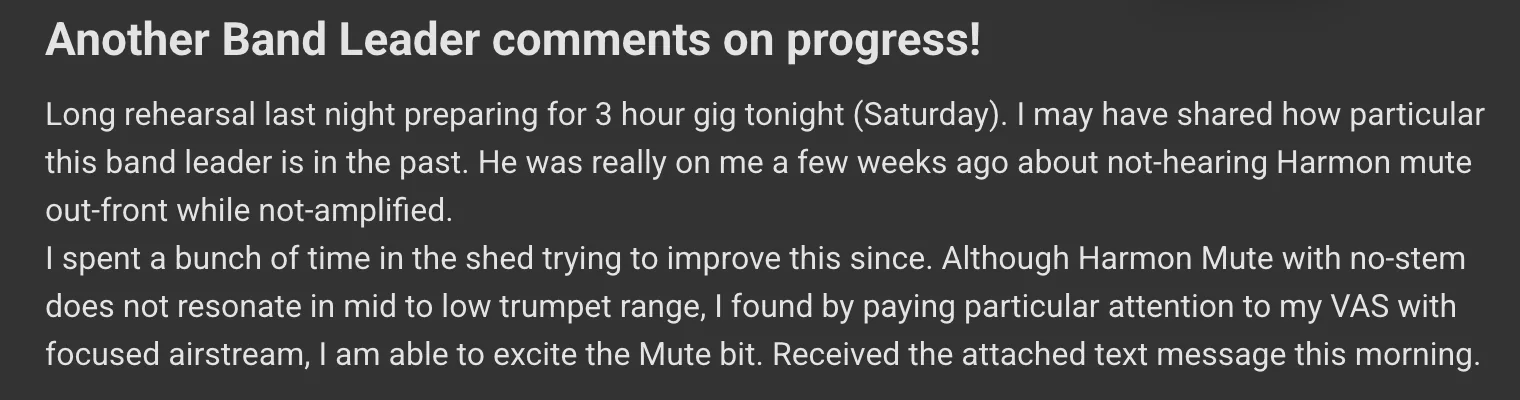
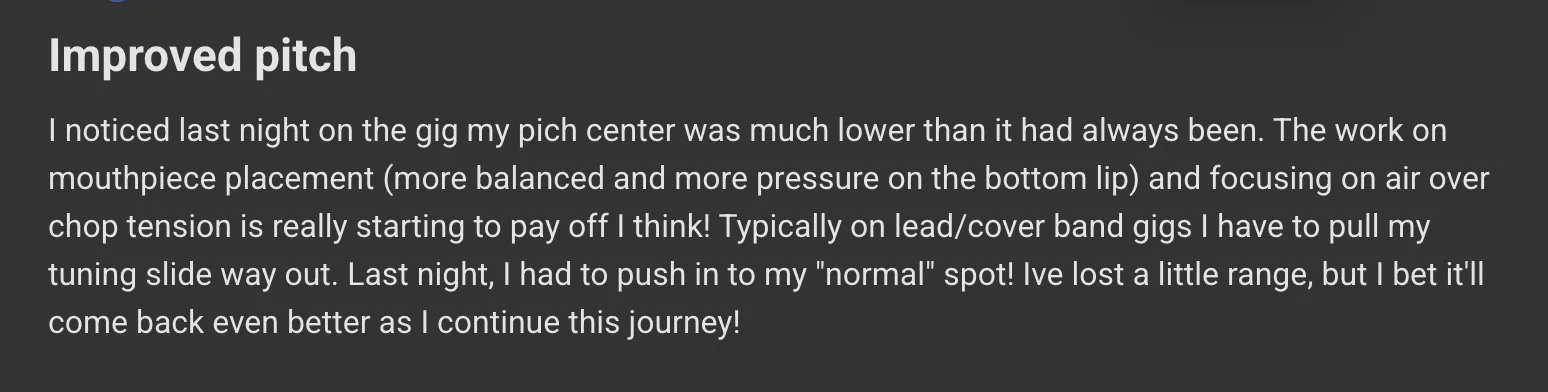
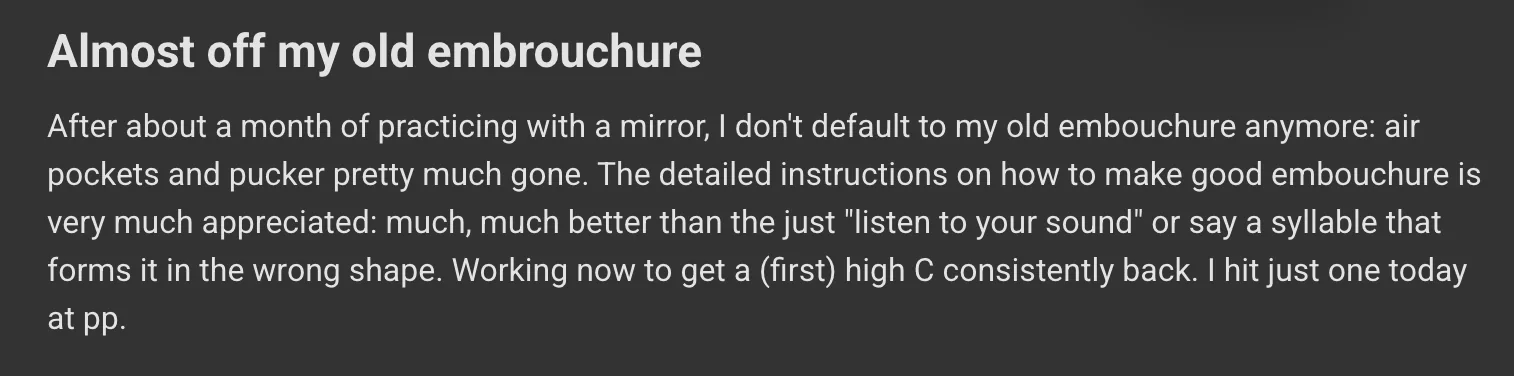
Same Vertical Alignment System that got Phil, Mike, Joinville, Heather and Byron their results. Now rebuilt so it's easier to follow.
Let me show you exactly how it works.